



BSR Power Constructions Pvt Ltd was established in 1980 in the town of Tenali in the Guntur District of Andhra Pradesh. Initially, it started and raised as turnkey contractor as a provider of electrical services and later expanded its operations to include the manufacturing of electrical power and distribution transformers and PSCC poles.
Read MoreChoosing the Right Energy-Efficient Transformer Made Easy
We need an energy-efficient transformer today in our energy-conscious world to decrease operational costs and lower your impact on the environment. An energy-efficient transformer saves power and enhances the lifespan of your electrical apparatus as well. Selecting an appropriate energy-efficient transformer needs an informed choice. Here are some imperative facts and pivotal considerations in choosing an appropriate energy-efficient transformer with optimum performance and sustainability.
What is Energy Efficiency in a Transformer?
Energy-efficient transformers lower the power losses to deliver optimum performance. They differ from the previous ones, made with superior core materials, better-winding technology, and improved insulation.
Important Factors
- Core Materials: Amorphous or other high-efficiency core material transformers lower the no-load losses and, therefore, improve efficiency by a wide margin.
- Winding Design: Improved winding designs minimize resistance to the limit, remove copper losses and enhance power distribution.
- Good Quality Insulation: Proper insulation reduces energy leakage to the minimum, and the transformer releases heat for an extended time.
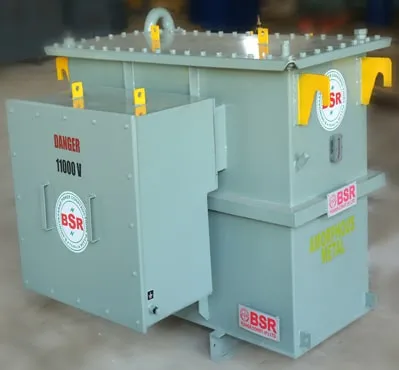
Benefits of Energy-Efficient Transformers
The following are the advantages that go with energy-efficient transformers:
- Reduced Operating Cost: Generally, waste energy or energy losses translate to savings in the electricity expense account.
- Efficiency: These transformers exhibit higher efficiency, which means power delivery is consistent.
- Environmental Efficiency: Reduced waste energy translates to reduced carbon emissions and contribution to the sustainability agenda
- Longer Lifespan: BSR Transformer Suppliers in Andhra Pradesh Reduced energy losses translate to reduced operating temperatures, which in turn enhance the lifespan of a transformer.
Efficiency Standards and Compliance
Utilize a transformer with efficiency standards of meeting or surpassing established standards to guarantee long-term reliability.
- DOE 2016 Efficiency Standards: Sets a standard for levels of efficiency to save energy.
- IEC 60076: Specifications for transformers. This is an international certification check if they carry energy-efficiency labels as proof of compliance.
Key Facts to Consider When Choosing an Energy-Efficient Transformer
To invest appropriately, consider the following key considerations:
- Load Capacity and Size: Calculate your present and future power requirements. Choosing the right KVA rating will make your transformer adequate for the load to prevent wasting energy or failure.
- Voltage Needs: Make sure the transformer can meet your primary and secondary voltage needs. The adjustable tap setting can be used to accommodate possible changes in the power supply.
- Efficiency Ratings: Seek transformers with high-efficiency ratings that are certified by known regulatory agencies. A low percentage of efficiency can yield huge savings in the long term.
- Conditions and Installation Space: Take into account the installation place. It should be well-ventilated, and should not be exposed to harsh weather conditions.
- Cost Analysis: Establish the buying price as well as the cost of possession that includes maintenance costs and energy expenses
- Maintenance Needs: Choose transformers which have low-maintenance operations without sacrificing their performance. The pre-service maintenance and inspection make it cost-effective.
Energy-Efficient Transformers in Our Daily Life
Energy-efficient transformers have been of utility to many sectors:
- Industrial Plants: An auto plant saved 20% of energy used after all transformers were replaced by high-efficiency ones.
- Offices: For an office complex, its operating cost was reduced by 15% within a year of the transformer.
Correct Mounting and Maintenance
- Mounting: It should be correctly supported and grounded to prevent the electrical fault condition.
- Maintenance: Periodical observation should be made to monitor load conditions or any other heating trend.
New Trends and Technologies
- Smart Transformers: IoT integration for real-time monitoring and predictive maintenance.
- Advanced Core Materials: Ongoing research into materials that further minimize energy losses.
- Updates: Staying on top of these trends will make you make future-proof decisions.
Conclusion
Selecting the appropriate energy-efficient transformer is a cost, performance, and sustainability-driven strategic choice. Having in mind the most important facts like load capacity, efficiency ratings, and installation conditions will allow you to have efficient and cost-saving power distribution for your operations.
Need assistance in selecting the ideal transformer? Get in touch with us today for professional guidance that suits your energy requirements.


